Updated January 2025
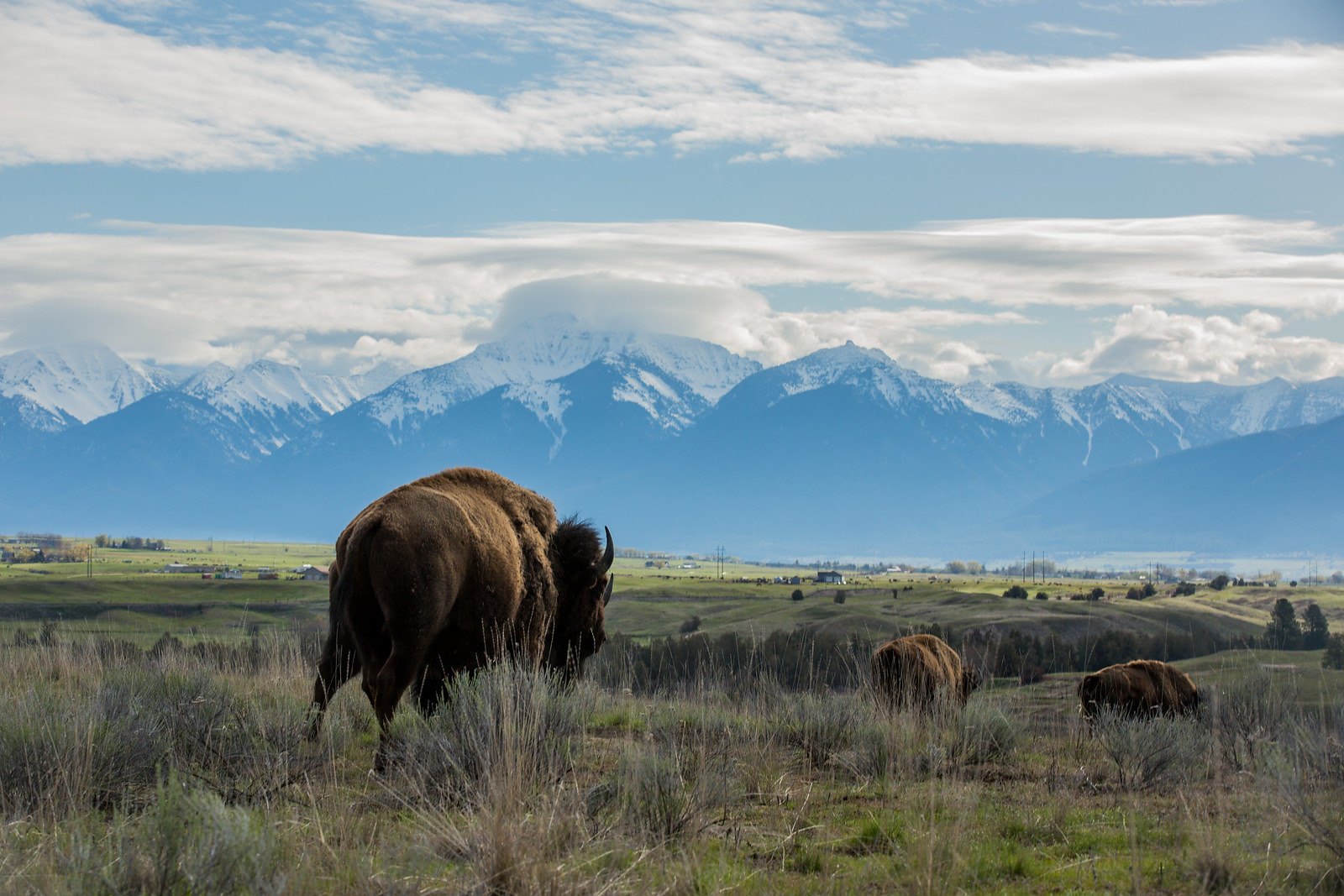
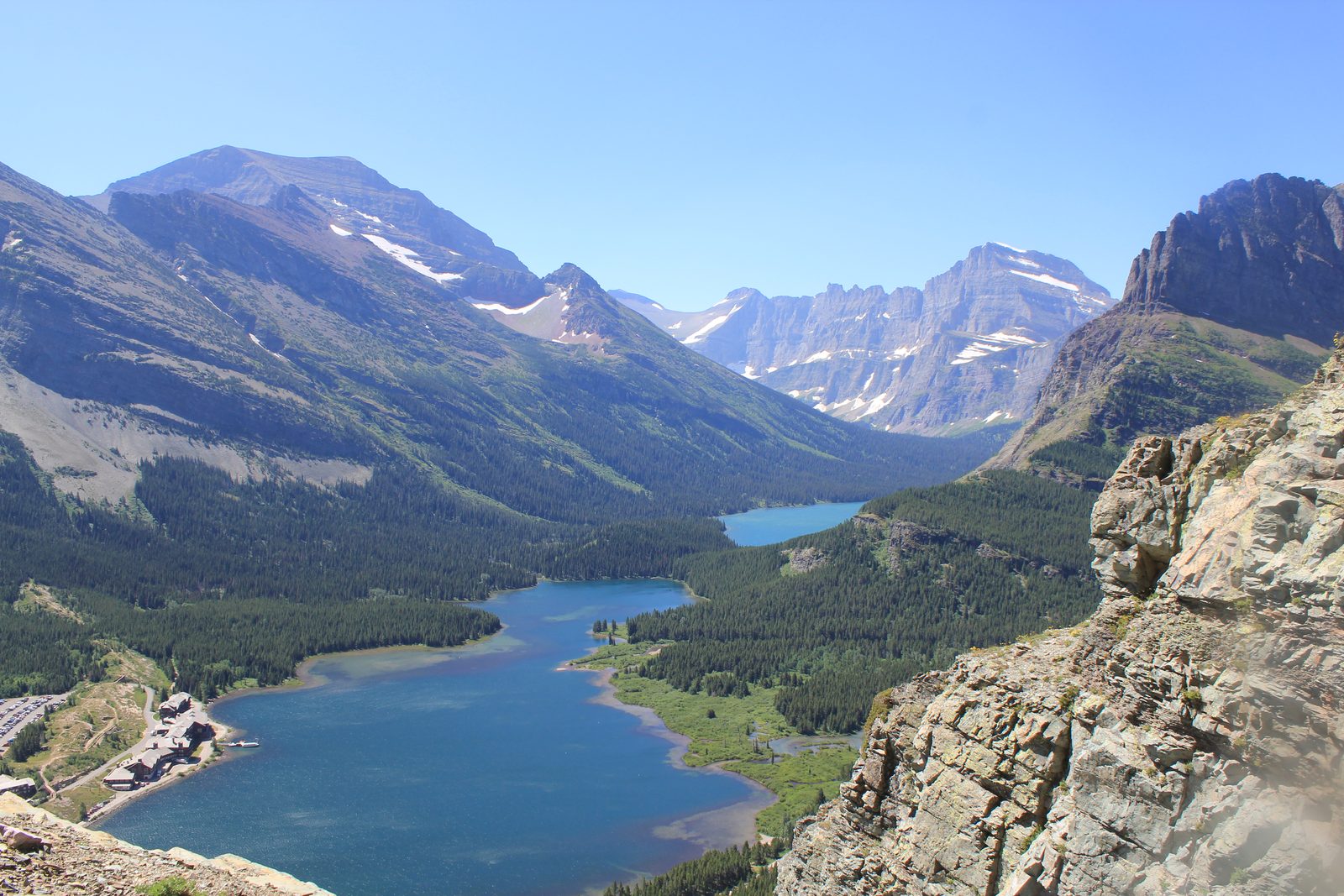
Glacier National Park is one of the premier destinations in North America for wildlife enthusiasts. With its expansive wilderness, diverse ecosystems, and breathtaking landscapes, the park is home to an array of animals, including mountain goats, grizzly bears, black bears, moose, bighorn sheep, and more. Whether you’re exploring on foot or bike, this guide to wildlife watching in Glacier National Park will help you make the most of your experience while staying safe.
Top Animals to Spot in Glacier National Park
1. Mountain Goats
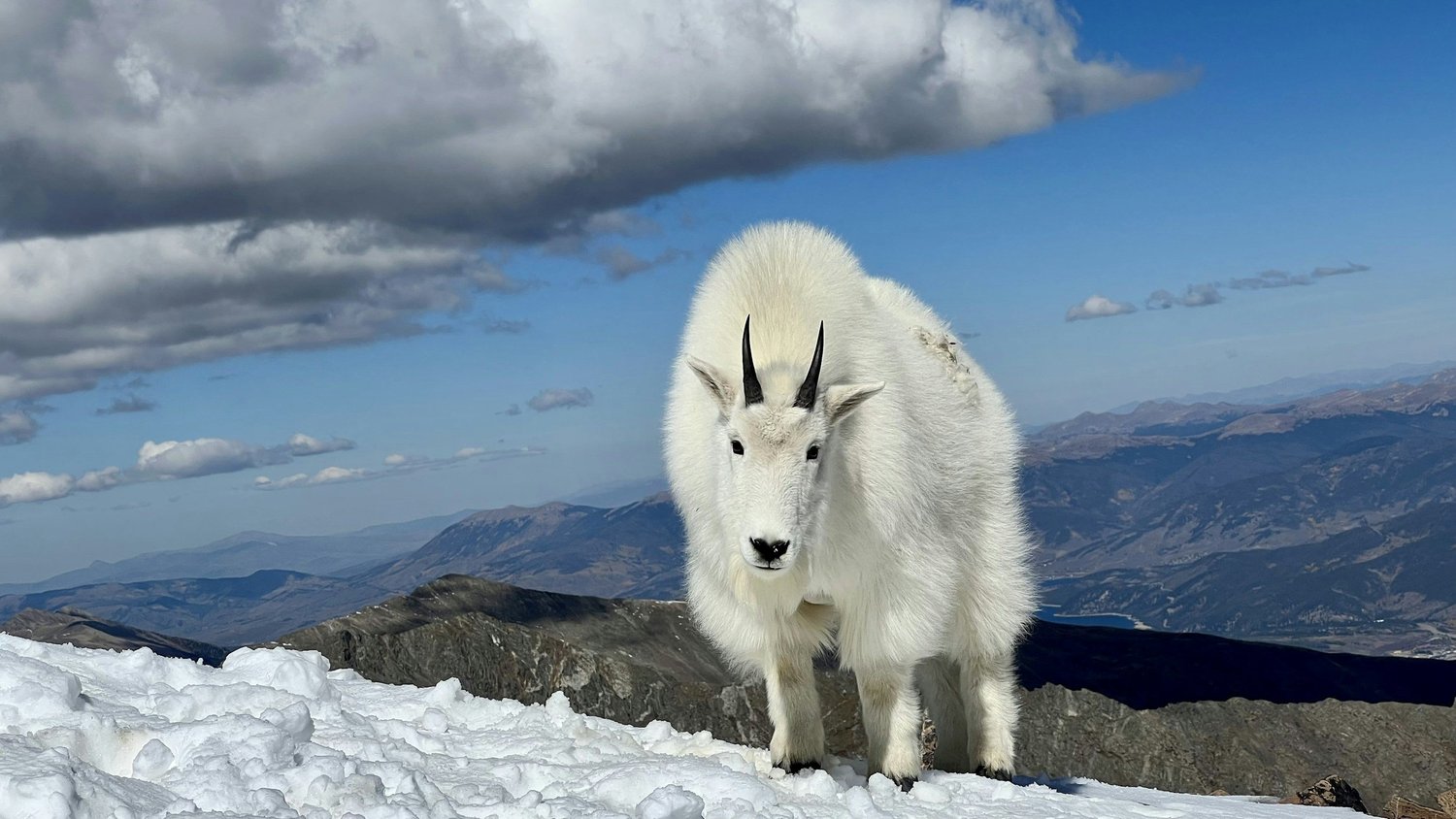
Often called the “mascot” of Glacier National Park, mountain goats are frequently seen near Logan Pass and along high-altitude trails like the Highline Trail.
- Best Spots
- Logan Pass, Hidden Lake Overlook, and the Highline Trail.
- When to Look
- Early morning or late afternoon.
2. Bears (Grizzly and Black Bears)
Both grizzly bears and black bears call Glacier home. Spotting one in the wild can be thrilling but requires caution.
- Best Spots
- Many Glacier, Two Medicine, and areas with huckleberries in late summer.
- When to Look
- Early morning or dusk when bears are most active.
3. Moose
Moose are often found in wetlands and near lakes. Their large size and unique antlers make them one of the park’s most iconic species.
- Best Spots
- Fishercap Lake (in the Many Glacier area), St. Mary Lake, and Two Medicine.
- When to Look
- Early morning or evening.
4. Bighorn Sheep
Bighorn sheep frequent rocky areas and steep cliffs, often in groups.
- Best Spots
- Logan Pass and the cliffs along the Going-to-the-Sun Road.
- When to Look
- Throughout the day.
Tips for Safe and Successful Wildlife Watching in Glacier National Park
1. Choose the Right Time and Place
- Morning and Evening
- Many animals are more active during these times.
- Quiet Areas
- Animals are more likely to be seen in less crowded parts of the park, such as Two Medicine and Many Glacier.
2. Pack Essentials
- Binoculars
- A must-have for spotting wildlife from a safe distance.
- Camera with Zoom Lens
- Capture the moment without getting too close.
- Field Guide
- Learn to identify the animals and birds you encounter.
Wildlife Watching While Hiking in Glacier National Park
Key Safety Tips:
- Carry Bear Spray
- Always carry bear spray and know how to use it. Keep it easily accessible, not in your backpack.
- Make Noise
- To avoid surprising animals, talk, clap, or use bear bells, especially when hiking in dense forest or near streams.
- Stay on Trails
- Animals are less likely to approach areas with consistent human activity.
- Observe from a Distance
- Maintain at least 100 yards from bears and wolves and 25 yards from other wildlife.
Best Wildlife Viewing Trails:
- Hidden Lake Overlook: Great for spotting mountain goats.
- Iceberg Lake Trail: Known for frequent bear sightings at a safe distance.
- Grinnell Glacier Trail: Look for moose and bears near streams and lakes.
Wildlife Watching While Biking in Glacier National Park
Unique Advantages of Wildlife Watching on an E-Bike:
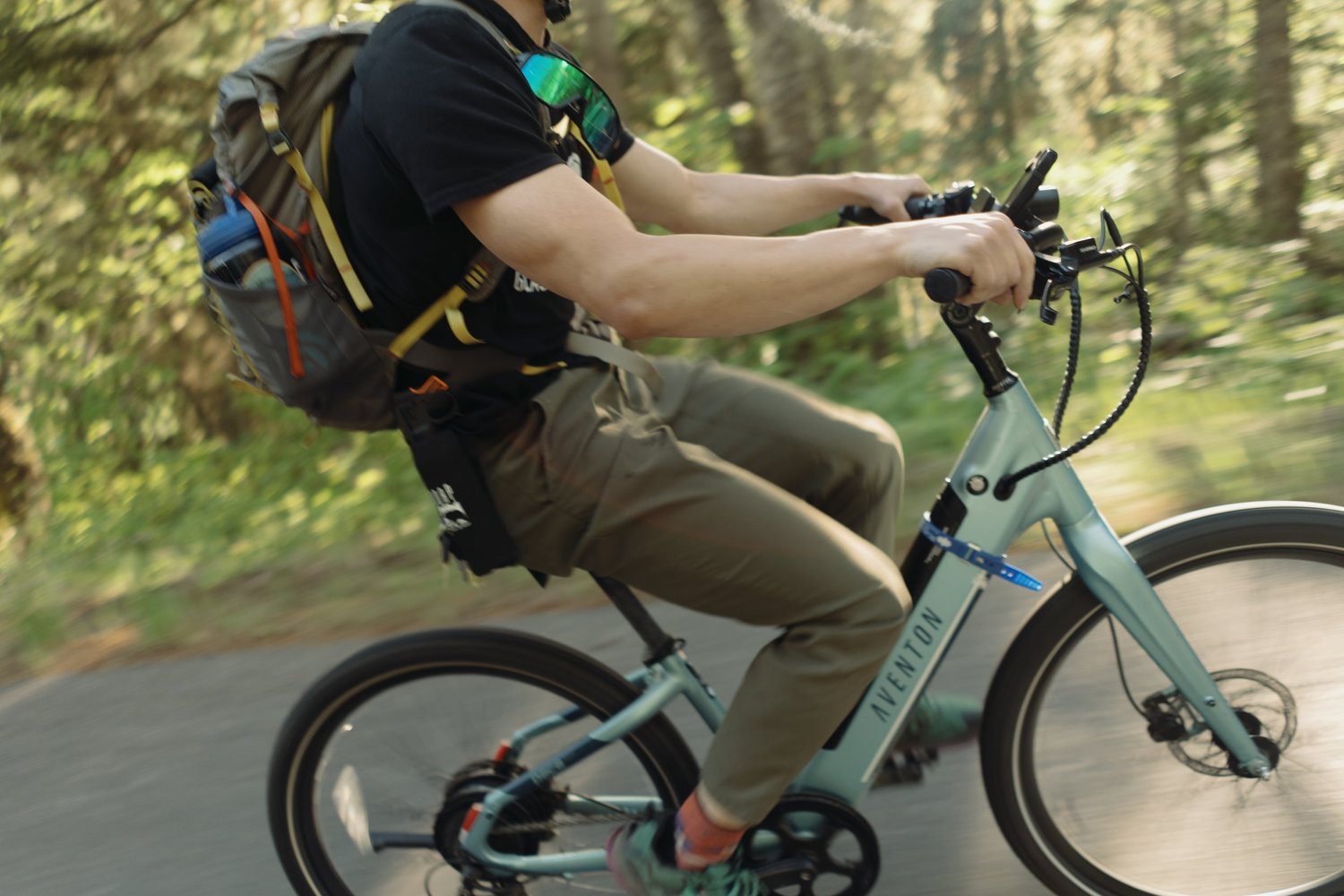
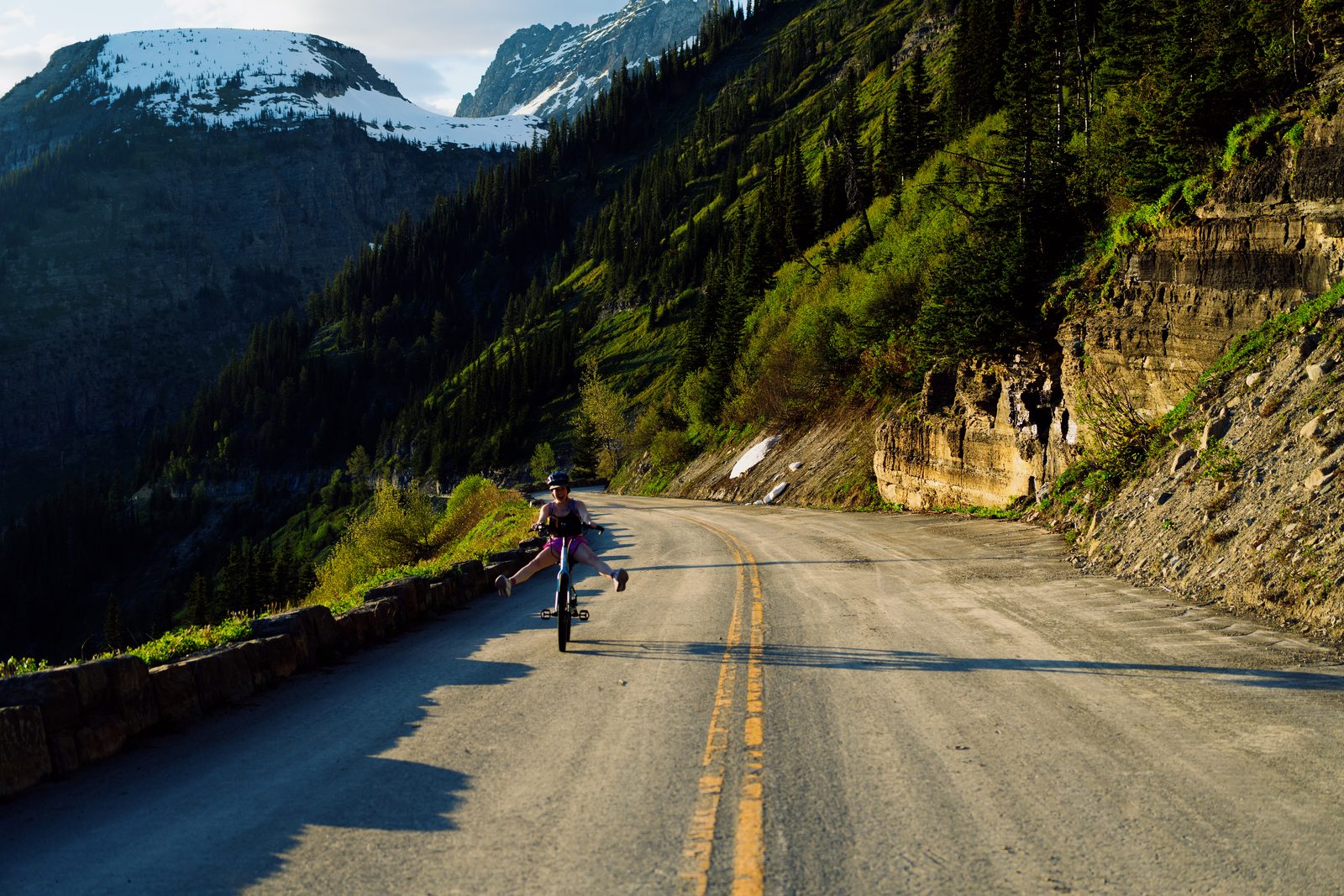
Biking allows you to cover more ground and quietly explore areas where wildlife may appear near the Going-to-the-Sun Road.
Key Safety Tips:
- Stay Alert
- Watch for animals crossing the road, especially at dawn and dusk.
- Keep a Safe Speed
- Maintain a speed that allows you to stop quickly if needed.
- Avoid Food Storage on Bikes
- Keep snacks and food securely packed away to avoid attracting animals.
- Do Not Approach
- If you encounter wildlife while biking, stop at a safe distance and give the animal plenty of space to move.
Best Routes for Wildlife Watching on a Bike:
- Going-to-the-Sun Road (Spring)
- Before cars are allowed, this route is ideal for spotting wildlife like bighorn sheep and bears. Give it a try with our E-Bike Going to the Sun Road Tours.
- Camas Road
- A quieter alternative with frequent wildlife activity.
What to Do If You Encounter Wildlife
If You See a Bear:
- Stay Calm
- Do not run.
- Speak Softly
- Let the bear know you’re human.
- Back Away Slowly
- Move away without turning your back on the bear.
- Use Bear Spray
- Only if the bear approaches aggressively.
If You See a Moose:
- Give Space
- Moose are unpredictable and can charge if they feel cornered.
- Stay Quiet
- Avoid loud noises or sudden movements.
If You See Mountain Goats or Sheep:
- Don’t Feed Them
- Feeding wildlife is prohibited and harmful to the animals.
- Observe from a Distance
- Even animals that seem calm can become aggressive if they feel threatened.
Best Times of Year for Wildlife Watching in Glacier National Park
- Spring (April to June)
- Animals are more active as they come down from higher elevations to feed.
- Summer (July to September)
- The warmer months are great for spotting animals at higher elevations, but crowds can make sightings less frequent.
- Fall (October)
- Animals are preparing for winter and are more active in lower valleys.
- Winter (November to March)
- While many animals hibernate, you may still spot elk, deer, and birds of prey.
Explore Glacier National Park Safely With Us
At Glacier Hikes and Bikes, we offer guided E-Bike Going to the Sun Road Tours to help you experience the wildlife of Glacier National Park up close while staying safe. Our knowledgeable guides ensure you enjoy the best wildlife spots and learn fascinating details about the park’s ecosystems.
Get started by browsing Glacier National Park Tours 2025. Book your adventure today and experience Glacier National Park’s incredible wildlife for yourself!
You might enjoy these other blogs from Glacier Hikes and Bikes: